
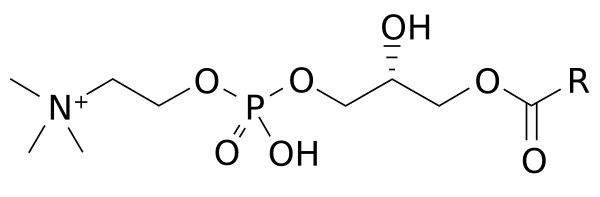
What is Lysolecithin?
Lysolecithin is a natural, skin-loving lipid that belongs to the phospholipid family—the same essential building blocks that make up every cell in the human body [1, 10]. While standard lecithin is well-known in skincare, Lysolecithin is a more specialized version that has been refined to be more “water-loving” [1, 6].
By adjusting its natural structure, a more flexible molecule is created that blends beautifully into creams and serums. This makes it a powerful bridge between oil and water, ensuring your favorite products feel smooth, stable, and luxurious on your skin [1, 4, 6].
Natural Origins
Our Lysolecithin is primarily sourced from high-quality vegetable oils like sunflower, soybean, or rapeseed [2, 4, 8].
Bio-Friendly Production
It is crafted using a gentle enzymatic process that mirrors how our own bodies break down and use fats [9, 10]. Because it is a “native” lipid, your skin recognizes it immediately and knows exactly how to use it for repair [1, 3, 6].
Gentle and Safe for Daily Use
We prioritize ingredients that are as kind to the skin as they are effective. The safety of Lysolecithin is backed by extensive independent research.
Proven Safety
Global safety experts have reviewed Lysolecithin and concluded it is completely safe for use in all types of cosmetics, from face creams to body washes [9].
The “Soothing Buffer”
Research shows that Lysolecithin is non-irritating and non-sensitizing [9]. In fact, it is often included in high-end skincare specifically to make other ingredients gentler, acting as a soothing buffer that protects even the most sensitive skin types [2, 6, 9].
How it Transforms Your Skin
Lysolecithin goes beyond just mixing ingredients; it acts as a functional “active” that works directly with your skin’s outermost layer, the stratum corneum [6, 7].
Barrier Restoration (The “Refatting” Effect)
Everyday environmental stress can strip away your skin’s natural oils. Lysolecithin acts as a “refatting” agent, stepping in to patch gaps in your skin’s barrier. This prevents moisture from escaping—a process known as Transepidermal Water Loss (TEWL)—and keeps your skin looking plump and healthy [2, 5, 7].
A “Smart” Delivery System
Its unique shape allows it to temporarily soften the skin’s surface in a healthy way [1, 6]. This helps other beneficial ingredients in your product—like vitamins or antioxidants—sink in deeper and work more effectively rather than just sitting on top [1, 6].
The “Silk-Effect” Finish
Because it integrates so perfectly with your skin’s own biology, it leaves behind a signature silky feel. It doesn’t just coat the skin with a heavy film; it supports your skin’s natural ability to breathe and repair itself while providing a massive boost in hydration [2, 6, 10].
Bibliography
[1] Li, J. et al. A review on phospholipids and their main applications in drug delivery systems. Asian Journal of Pharmaceutical Sciences, 10, 81–98, 2015.
[2] Thy, L. T. M. et al. Applications of lecithin in emulsion stabilization and advanced delivery systems in cosmetics: A mini-review. Results in Surfaces and Interfaces, 19, 100543, 2025.
[3] Küllenberg, D. et al. Health effects of dietary phospholipids. Lipids in Health and Disease, 11:3, 2012.
[4] Gutiérrez-Méndez, N. et al. Lecithins: A comprehensive review of their properties and their use in formulating microemulsions. Journal of Food Biochemistry, 46, e14157, 2022.
[5] Paraskevopoulos, G. et al. Lysosphingolipids in ceramide-deficient skin lipid models. Journal of Lipid Research, 65, 100508, 2024.
[6] van Hoogevest, P. & Fahr, A. Phospholipids in Cosmetic Carriers. In: Nanocosmetics, Springer, 95–156, 2019.
[7] Aburai, K. et al. Physicochemical Analysis of Liposome Membranes Consisting of Model Lipids in the Stratum Corneum. Journal of Oleo Science, 60(4), 197–202, 2011.
[8] EFSA Panel (ANS). Re-evaluation of lecithins (E 322) as a food additive. EFSA Journal, 15(3):4742, 2017.
[9] Johnson, W. Jr. et al. Safety Assessment of Lecithin and Other Phosphoglycerides as Used in Cosmetics. International Journal of Toxicology, 39(S2), 55–255, 2020.
[10] D’Arrigo, P. & Servi, S. Synthesis of Lysophospholipids. Molecules, 15, 1354–1377, 2010.